Bedouin Village Sheikh

Visiting a Bedouin Village in Hurghada: What I learned in the Egyptian desert

Hurghada is usually described in colour: turquoise waters, coral reefs, and amber sunsets. But the day I travelled to a Bedouin village, the palette changed entirely. The Red Sea fell away behind us, replaced by dust, rock, and an expanse of desert that felt both empty and quietly alive. 

I had booked the experience through Scorpion Safaris, expecting something informative and perhaps even performative, as many desert excursions can be. However, what I didn’t expect was how deeply human the visit would feel, and how much it would challenge my understanding of survival, community, and what it really means to live with only what is essential.

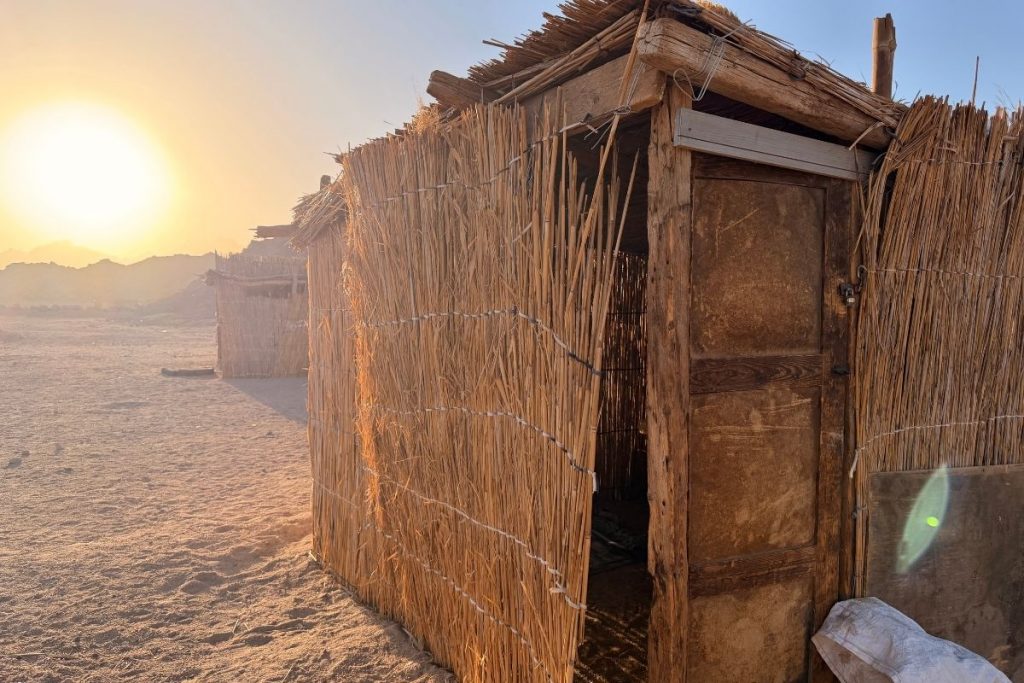
The village revealed itself slowly, almost modestly, as though it were part of the land rather than built upon it. The structures we were shown were not the homes in which families truly lived, our guide explained, but a space arranged for visitors.

A Bedouin home

Their real dwellings lay further beyond, barely distinguishable against the desert, made with straw and wood, yet softened inside by blankets for the colder nights. Every object has a purpose – beauty was not added, it was implied.

The camel as a lifeline

Our first encounter with Bedouin life came on camelback. What might register with a visitor as a novelty is, for the Bedouin, elemental.

Camels are lifelines. They carry families across vast desert distances, provide meat and milk for sustenance, hair for clothing, and even fuel. In a landscape where wood is scarce, dried camel dung is used for cooking. It is an unromantic detail, but one that reveals the quiet discipline of a culture shaped by necessity: everything is used, nothing is wasted.

Bread, fire, and what is enough

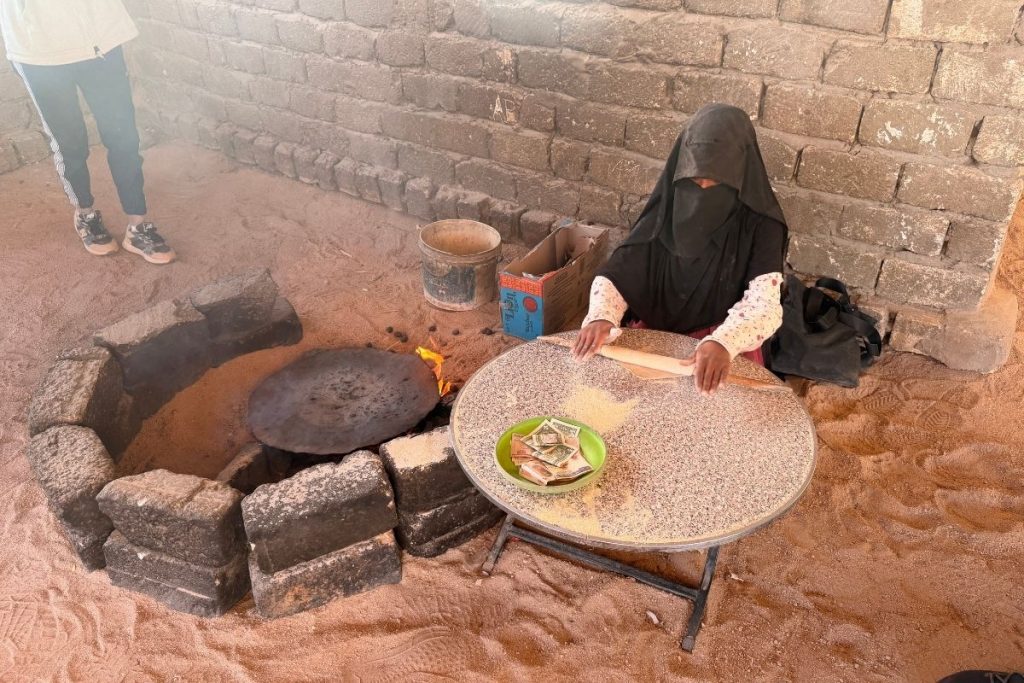
Tourists gathered around a Bedouin mother as she prepared bread from flour, water, and a pinch of salt, while her daughter sat a few metres away, absorbed in her colouring pencils. 

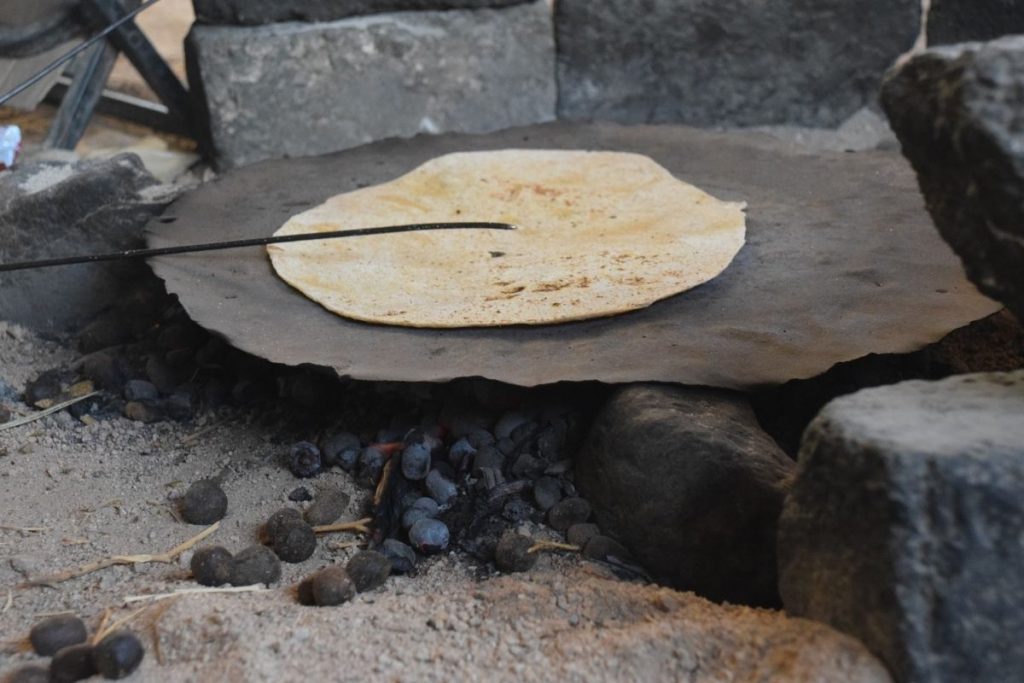
Camel dung cooking bread in a Bedouin Village

The dough was rolled thin and placed onto a flat metal griddle above a fire fuelled by dried camel dung – the same resourcefulness that defines so much of desert life. The bread was simple, nourishing, and unexpectedly grounding.

Making bread in a Bedouin Village

There was something quietly disarming about witnessing a process so stripped back, yet so complete in itself. Their certainty about what was enough cast a quiet light on the way I move through a world where that question is rarely asked at all.

A village built on trust

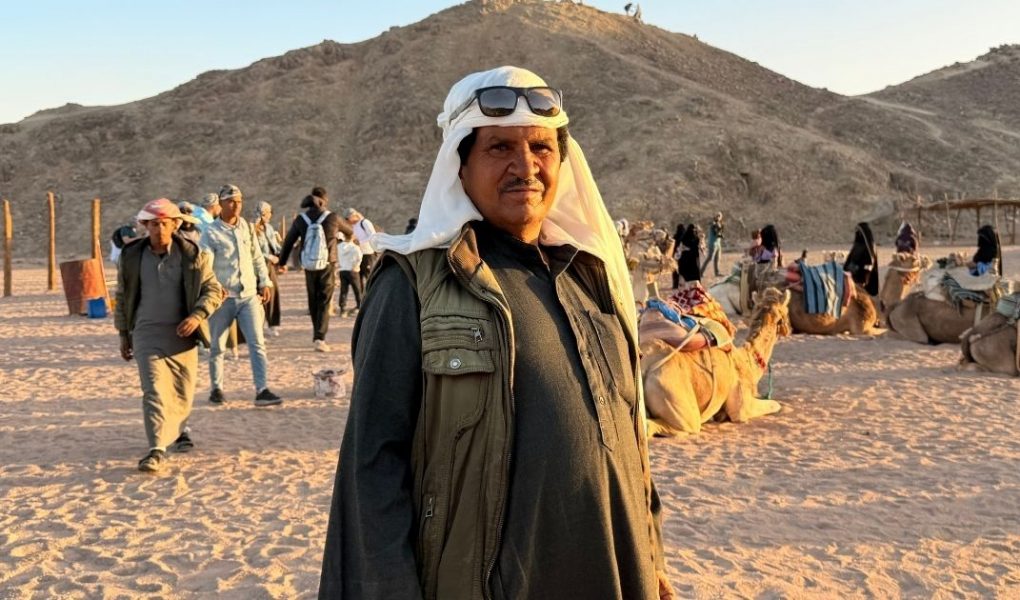
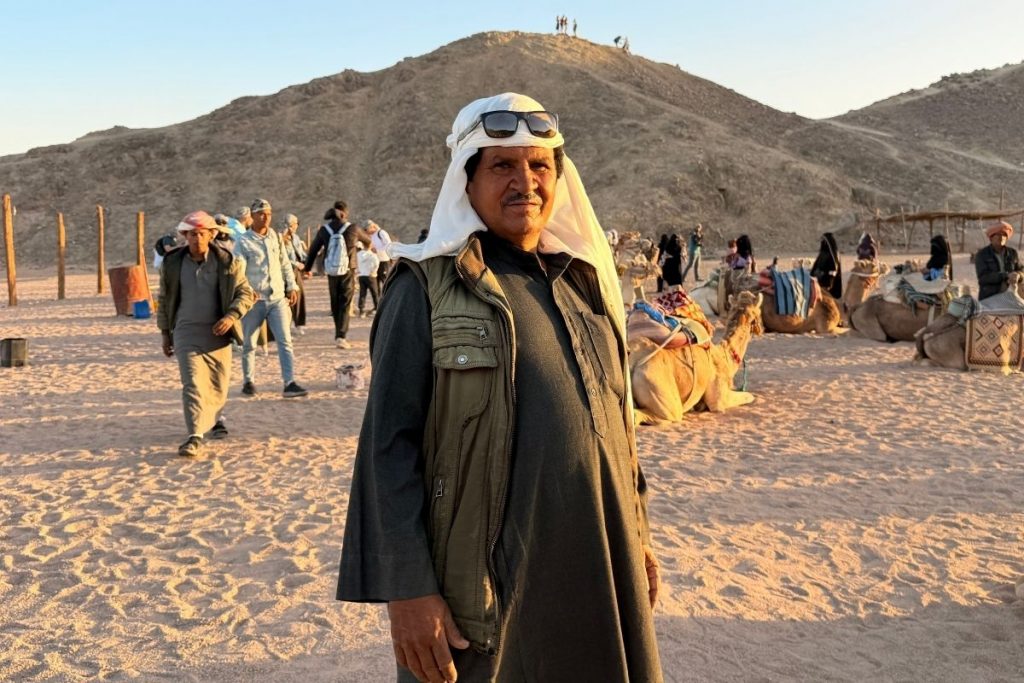
At the heart of the community is the Sheikh, whose role extends beyond leadership into care. He is responsible for ensuring that resources such as food, income, and essential goods are distributed fairly throughout the village.

Bedouin Village Sheikh

Everyone receives the basics. However, those who work, particularly in tourism, may earn more to buy additional supplies gathered from the city. In this village, the Sheikh has inherited his role, but his authority rests on trust and the belief that leadership exists not for power, but for protection. It is a system rooted in shared responsibility rather than individual gain.

Medicine from the land

Much of life here is shaped by the natural world. In the village’s small pharmacy, we were shown herbs and plants used to treat everything from stomach ailments to colds. Camel milk, we were told, is valued not only for its nourishing properties but also for its skincare benefits.

Water is always precious, filtered through fabric and boiled before use. Traditionally, when resources ran out, Bedouin communities would move on. That this village remains is a quiet reminder of how tourism has altered the rhythm of desert life – providing the means to stay, even in a landscape that once demanded constant movement.

Our presence was both the reason the village could remain here and the reason parts of it now existed to be seen.

What the desert provides

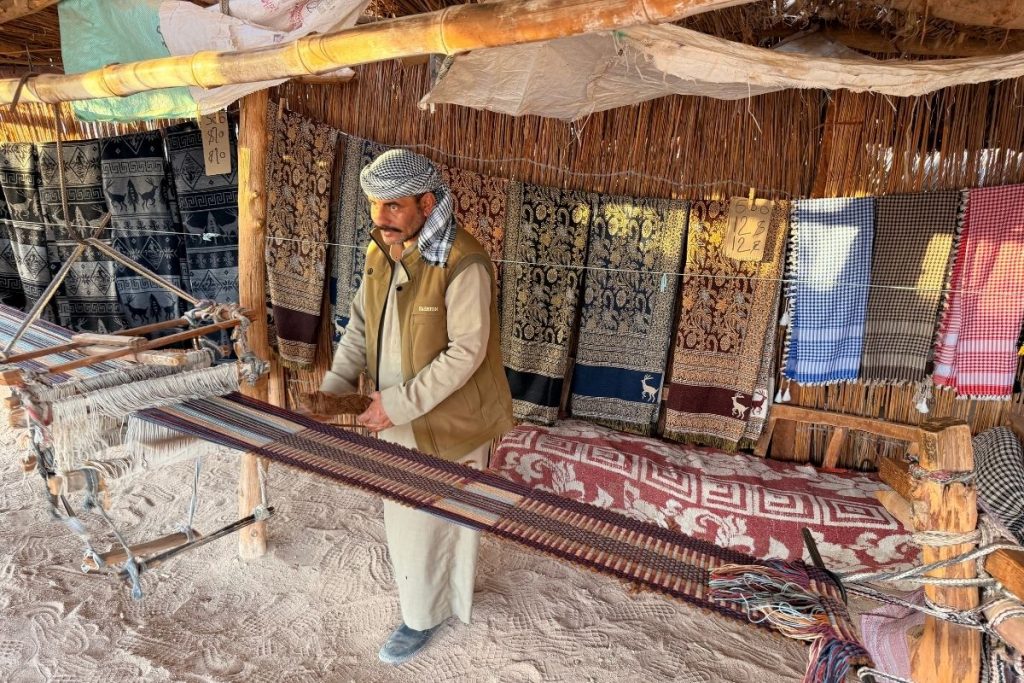
We met a craftsman working with camel hair and sheep’s wool, transforming raw materials into scarves, bags, and decorative pieces. Despite our lack of a shared language, he talked me through the process with patient gestures, his hands moving with the certainty of someone who has done this for a lifetime.

Making souvenirs with camel hair

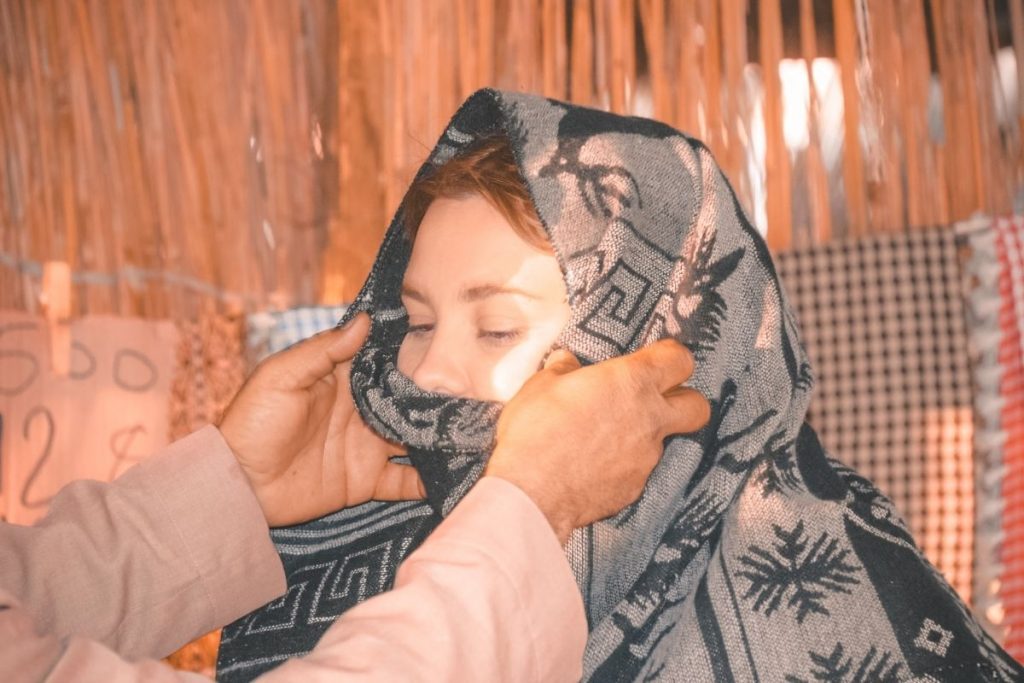
At one point, he lifted a finished scarf and placed it around my shoulders. It was a small, unspoken invitation, but one that made me aware of how I had arrived as a visitor, conscious of observing from the outside. Yet, in that moment, I was no longer simply watching his work – I was being welcomed into it.

Faith at the centre

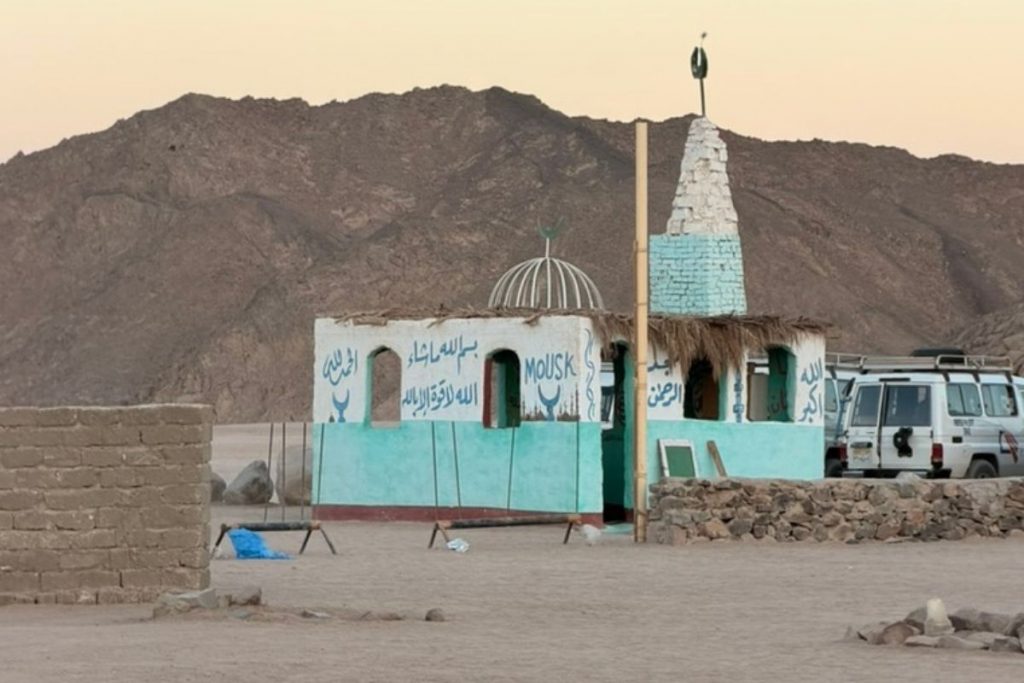
Faith remains central to daily life. Most Bedouin people are Muslim, and in this village, the mosque stands as both a place of worship and learning. Children are taught to read and write there, preparing them for a world beyond the desert should they ever need to step into it.

What moved me most was not the scale of the building, but its presence. Here, faith is not an addition to life – it is the structure that holds it together.

Tourism and survival

Our visit ended at the village terrarium, home to desert reptiles and another way the community sustains itself through tourism. Experiences like this – camel rides, bread making, and guided tours – have become economic lifelines, allowing families to remain in a landscape that would otherwise demand constant movement. 

Tourism hasn’t replaced tradition, but it has reshaped it, offering stability in a world where water, food, and shelter are never guaranteed.

Mosque at the Bedouin Village

What I took with me

I left the village with a sense of humility. Not because life there is harder, but because it is clearer. Every resource is valued, and every role is connected to the whole.

In a world that so often measures success by accumulation, the Bedouin way of life offers something quietly radical: the idea that having less does not mean lacking. Sometimes, the most meaningful journeys are not about what we discover, but what we are asked to reconsider.

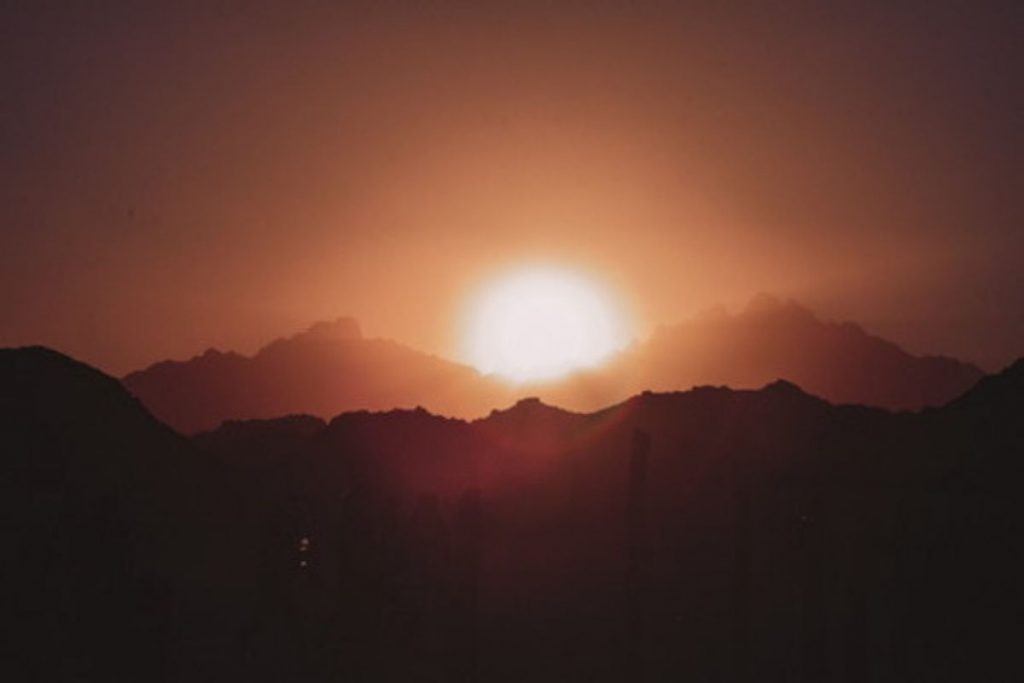
Sunset behind the Red Sea mountains

As the desert fell quiet around us, the weight of the camel-hair scarf still resting on my shoulders, I was reminded that meaning is not always found in what we build, but in what we choose to live without.

Read more about everything you need to know when travelling to Hurghada.

Subscribe to Magenta Adventures

Sign up to receive email updates when we post new content. We really appreciate it!

We promise we don’t spam!

Kelsey Haslam

Kelsey Haslam is the founding editor of Magenta Adventures Travel Publication and a freelance travel writer with a focus on community-based travel, culture-led experiences, and theatre tourism. She is passionate about spotlighting lesser-known destinations and connecting travellers with meaningful, human-centred stories.

Her published work includes destination features and luxury hotel reviews for leading travel outlets such as A Luxury Travel Blog, Beau Monde Traveler, and Luxury Lifestyle Magazine.

Explore more about Kelsey’s background on the About Page.

You may also like...