
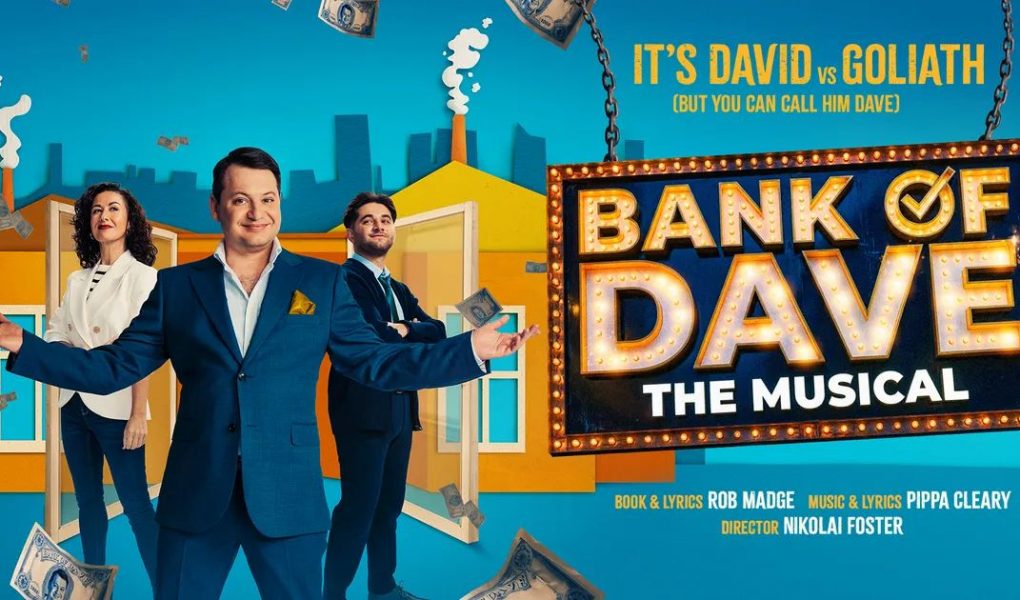
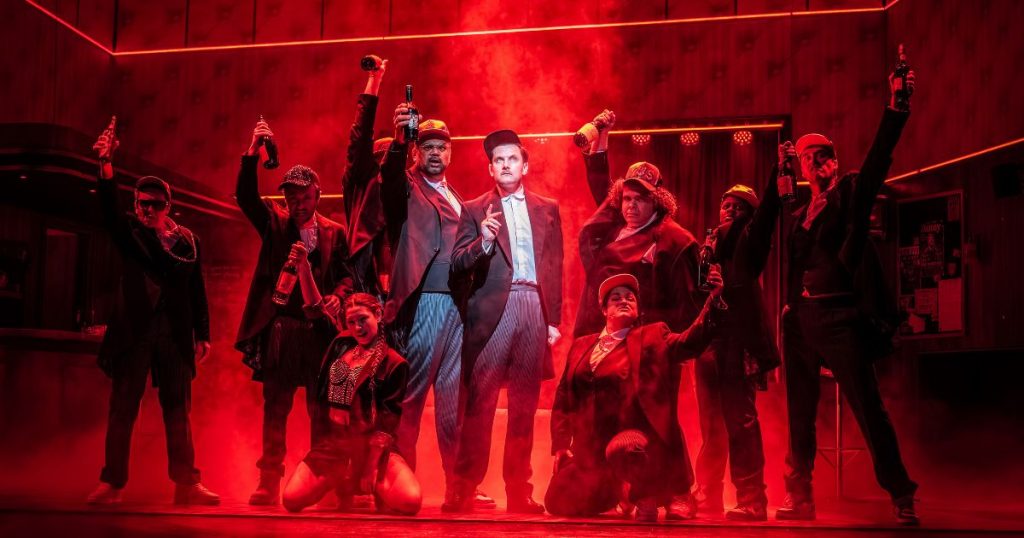
The atmosphere at The Lowry felt bigger than usual for this show. The red carpet was rolled out, and there was a genuine sense of excitement and northern pride as crowds gathered to celebrate the world premiere of Bank of Dave: The Musical, joined by Dave Fishwick himself.
Conversations and mumbles echoed around the foyer: “Did you watch the film?” “How much do you know about Dave’s story?” But by the end of the night, the atmosphere inside the theatre felt almost communal, as people left buzzing, emotional, and, as a northerner at least, very proud of where they came from.
Contents
ToggleAuthentic northern humour
One of the biggest strengths of the musical adaptation of Bank of Dave is how naturally the script captures northern humour without reducing it to parody. The jokes feel recognisable rather than exaggerated, and the writing understands the difference between laughing at northern communities and laughing with them.
Burnley sits at the centre of the production, but the show’s themes stretch far beyond one town. There’s a strong sense of community running throughout, alongside explorations of classism, the north-south divide, and how difficult life can become when ordinary people are ignored by larger systems. Despite those heavier themes, the show never loses its warmth or humour.
The audience spent most of the evening switching between laughter and an overwhelming sense of pride – for Dave, for Burnley, and for the show’s wider message about community and determination. That balance between comedy and vulnerability is exactly what makes the musical connect so well emotionally.
Sam Lupton as Dave Fishwick
Sam Lupton’s performance as Dave Fishwick is what emotionally anchors the entire show. He captures Dave with such sincerity and warmth that there are moments where you forget you’re watching a performance at all.
What makes Dave such an easy character to root for is that he never feels untouchable or larger than life. He feels incredibly relatable – stubborn, determined, flawed, hardworking, and completely devoted to the people around him. Lupton perfectly captures those qualities, giving the story much of its heart.
The musical also adds more depth to his relationship with his wife, Nicky, played by Hayley Tamaddon, presenting her as Dave’s biggest supporter while giving the show some of its most heartfelt moments. It stops the story from becoming solely about banking or politics and keeps the human element firmly at its centre.
Music and lyrics that never lose the show’s personality
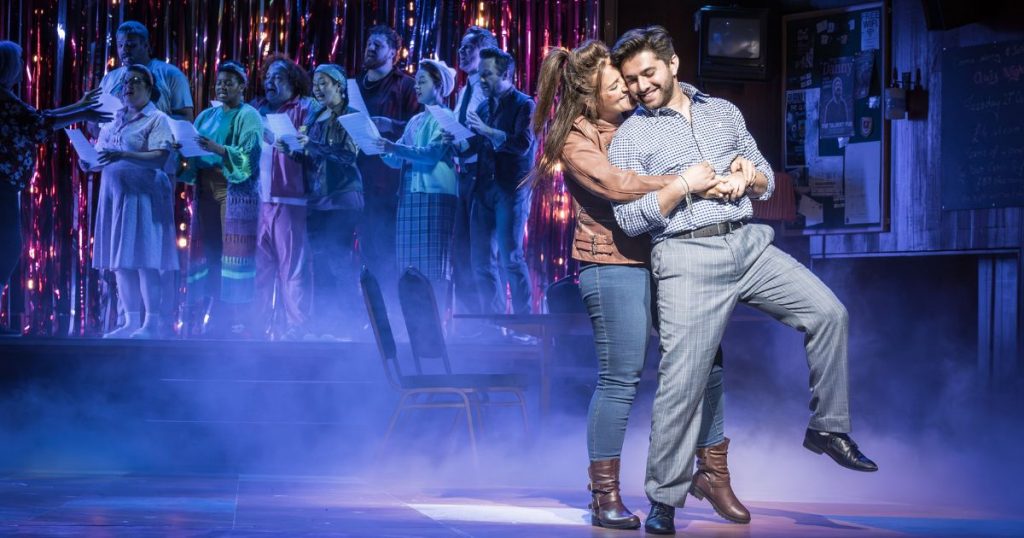
Created by Rob Madge and Pippa Cleary, the music, book, and lyrics remain consistently sharp throughout. If you’re familiar with either of their work, you can immediately feel their influence across the production, from the quick-witted humour and sincerity to the balance between theatricality and grounded realism.
The songs are packed with northern phrases, blunt humour, explicit language, and observations that feel recognisable rather than exaggerated, but they never feel forced or disconnected from the story itself.
Importantly, the show isn’t afraid to slow down when it needs to. The more vulnerable moments land because the script and lyrics trust the audience enough not to overplay them.
Lauryn Redding’s Alex becomes particularly important during some of the production’s more political and vulnerable moments. Working as an NHS doctor, she acts as one of the show’s most relatable figures, voicing the frustrations and exhaustion many ordinary people will recognise. Songs like Patience perfectly capture the weight carried by NHS workers trying to hold together an overwhelmed system, while Never Gonna Do It Again offers a more comedic, yet still pointed, take on the north-south and left-right political divide.
Redding’s vocals are stunning throughout, but more importantly, she gives those moments real sincerity and warmth, grounding some of the production’s biggest themes in something human and believable.
Politics, class, and community woven naturally into the story
Although Bank of Dave: The Musical is undeniably uplifting, it also has far more to say than people will initially expect. Themes surrounding financial elitism, class divides, and the treatment of northern communities quietly run throughout the show.
The character of Sir Charles Denbigh, played by Samuel Holmes, represents that perfectly. Holmes’ performance and character styling make him feel almost trapped in another era, with old-fashioned attitudes and mannerisms that sharply contrast with the musical’s otherwise modern style. It’s a clever way of showing how outdated some systems and attitudes still feel today.
However, the show never loses sight of who Dave actually represents. As the story develops, it becomes less about one man opening a bank and more about an entire community wanting to be seen, respected, and supported.
Simple staging elevated by clever visuals
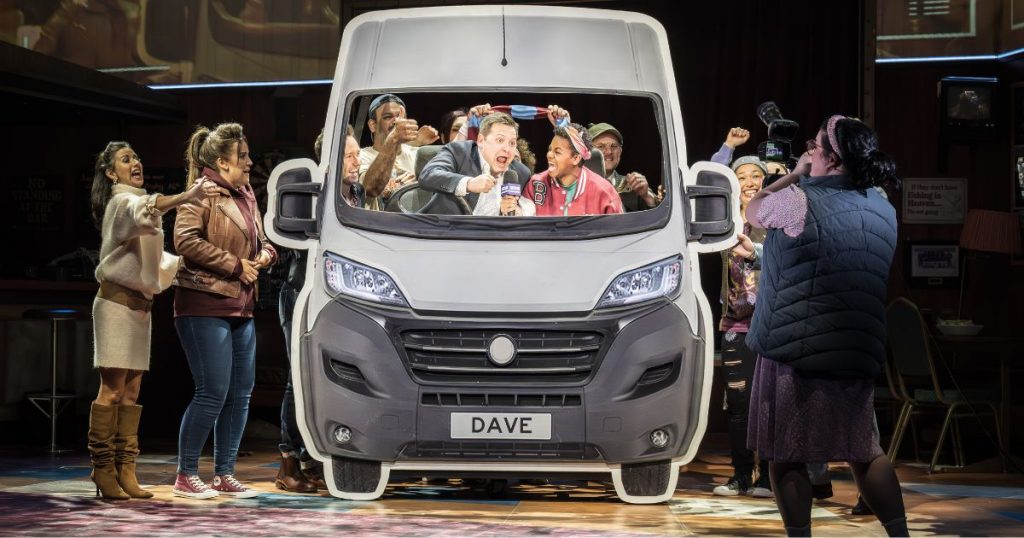
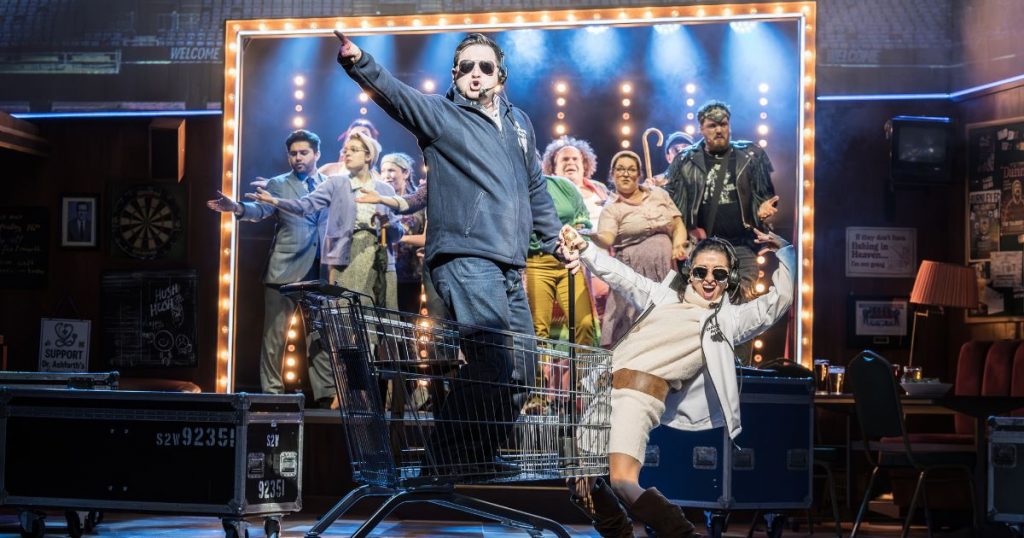
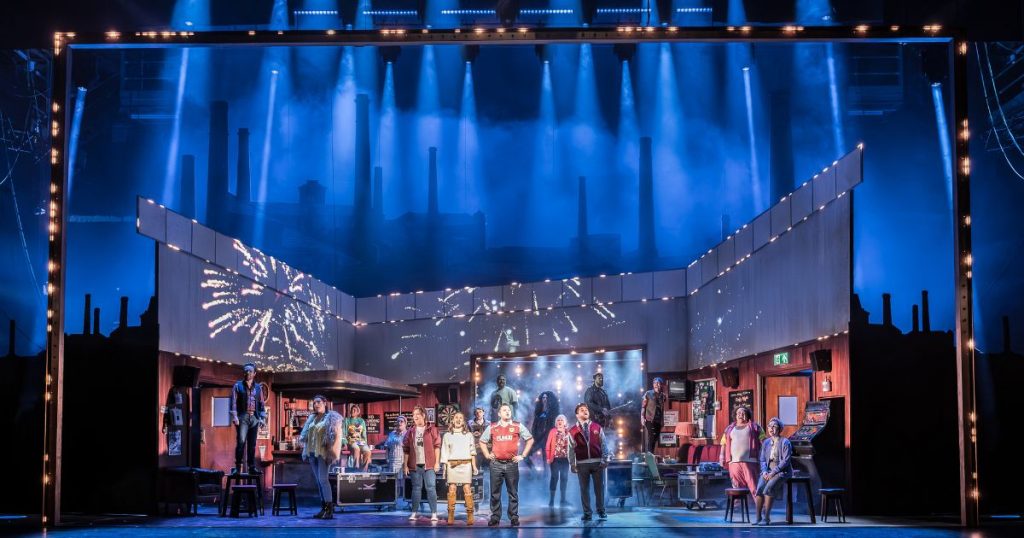
The production itself keeps the staging fairly simple, with the local pub acting as the central location for much of the show, but transitions between scenes happen smoothly and efficiently.
The digital screen surrounding the set is one of the strongest visual elements, helping establish locations and movement throughout the production. It’s effective without becoming distracting.
Its most powerful use comes during the ending, when photographs of the real Dave Fishwick appear on screen. It’s a genuinely moving moment that grounds everything you’ve just watched back in reality.
Final thoughts
After watching Bank of Dave: The Musical, it’s not the banking storyline that stays with you. It’s the reminder that ordinary people can still create extraordinary change through determination, resilience, and community.
The final scenes are easily the most moving parts of the show, particularly as the production shifts away from the polished theatrical version of events and acknowledges the more complicated reality behind Dave’s journey. It reinforces the sense that this is an honest, down-to-earth production.
By curtain call, the audience at The Lowry felt completely united in that emotion. There was cheering, visible tears, and a sense of pride lingering around the theatre long after the final bows.
Overall, Bank of Dave: The Musical is funny, heartfelt, politically aware, and deeply rooted in northern identity without ever becoming overly sentimental. More than anything, it feels genuine – and that’s exactly why it works.
Bank of Dave: The Musical is running at the Lowry Theatre until 16 May before moving on to the Curve Theatre in Leicester. Book your tickets now.
**Tickets gifted in exchange for an honest review
Kelsey Haslam is the founding editor of Magenta Adventures Travel Publication and a freelance travel writer with a focus on community-based travel, culture-led experiences, and theatre tourism. She is passionate about spotlighting lesser-known destinations and connecting travellers with meaningful, human-centred stories.
Her published work includes destination features and luxury hotel reviews for leading travel outlets such as A Luxury Travel Blog, Beau Monde Traveler, and Luxury Lifestyle Magazine.
Explore more about Kelsey’s background on the About Page.