
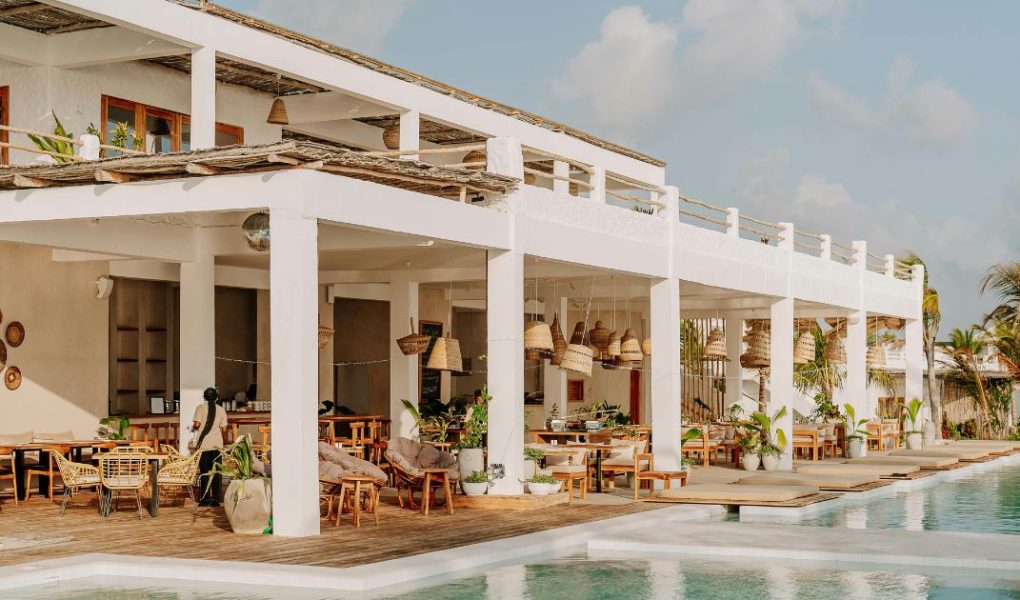

Open-air restaurant and pool area at a modern resort with white architecture and wooden terraces

All-inclusive vs half-board: which is better for you?

Choosing between all-inclusive and half-board often feels like a bigger decision than it needs to be. It’s rarely just about food, but about how structured you want your days to feel and how much thinking you want to do when you arrive.

Rather than treating one option as superior to the other, it’s more useful to understand what each option genuinely offers once you’re actually there.

All-inclusive travel is built around removing friction. Meals and drinks are taken care of and the day unfolds without much negotiation. For many people, that’s not ‘laziness,’ but relief. There’s something calming about knowing you don’t need to plan where to eat or keep track of spending as you go. 

This ease can create a slower rhythm as the knowledge that everything you need is available can make it much easier to relax into the holiday

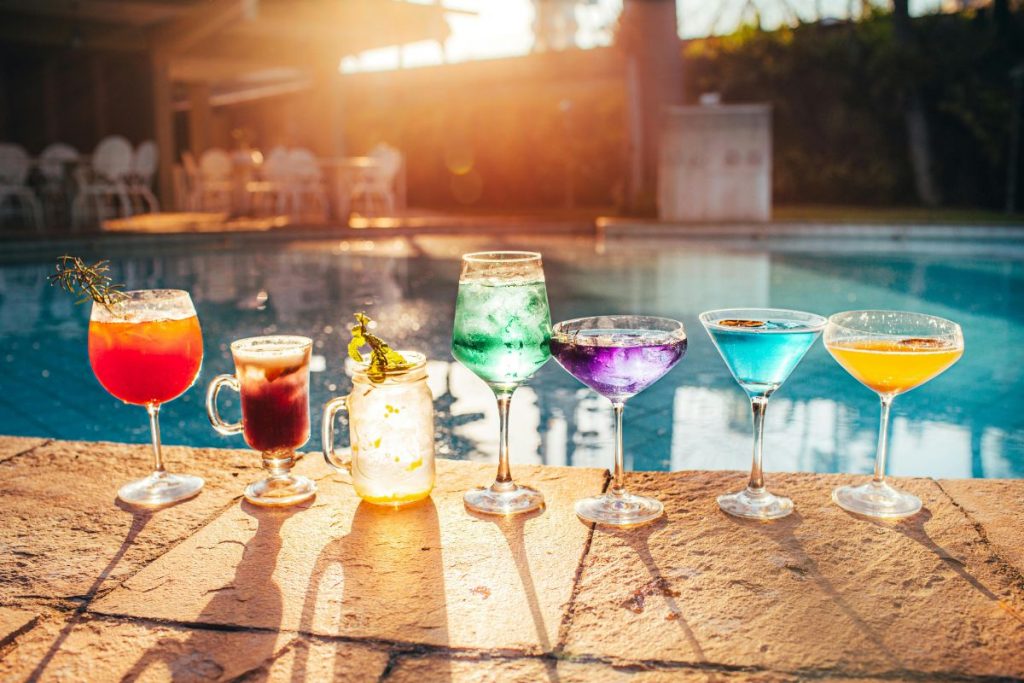
Colourful cocktails lined up beside a swimming pool at sunset in an all-inclusive resort setting

Limits of an all-inclusive

Where all-inclusive can feel restricting is in its gravitational pull. When everything has been paid for, it can become tempting to stay in the resort, even if there’s much more to see. For some travellers, that sense of containment is the appeal. However, for others, it can begin to feel slightly closed in.

What half-board actually feels like

Similar to an all-inclusive holiday, half-board offers structure. In most cases, breakfast and dinner anchor the day, but everything in between is left open. It’s a format that suits travellers who enjoy being out and about during daylight hours, but still wish to return somewhere familiar in the evening.

There’s often less pressure with half-board than people expect. You’re free to explore at your own pace, go out for lunch wherever feels right, and still come back into a routine. It can make a destination feel more enriching, especially if you’re staying in a well-located resort.

Limits of half-boarding

The compromise is that you’re there’s more decision-making involved, and you’re much more aware of your spending. Choosing half-board is also a poor idea if your hotel isn’t well-situated, as access to local markets, cafes, and restaurants is important. 

For many, that’s a worthwhile exchange if you’re looking to venture out every day anyway. However, for others, it can quietly reintroduce the mental load they were hoping to escape.

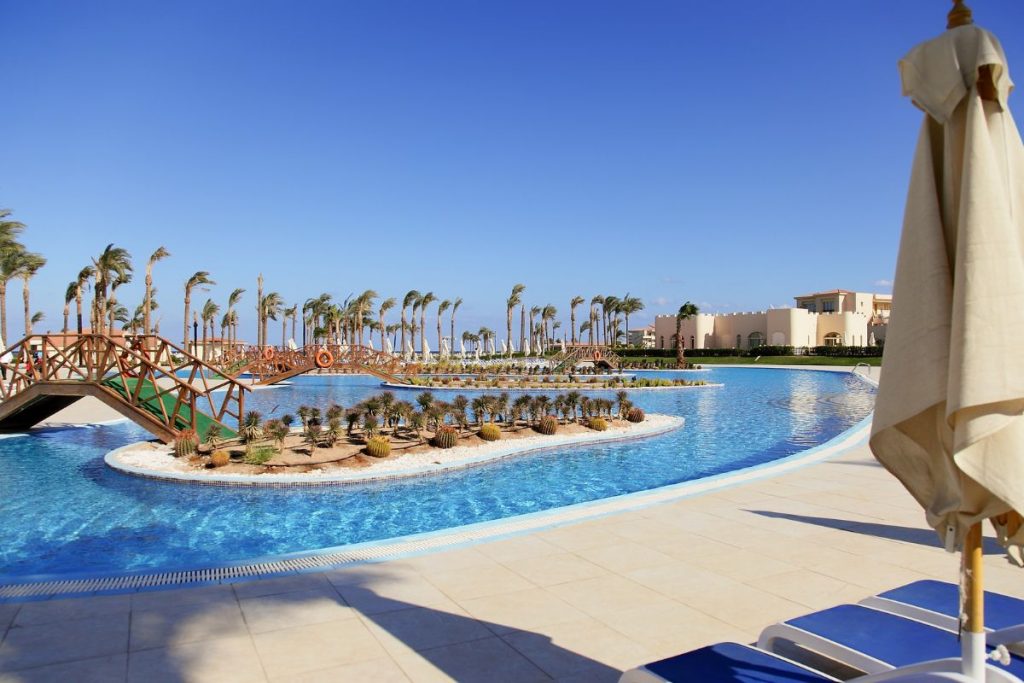
Luxury resort swimming pool with palm trees, footbridge, and clear blue sky at a coastal holiday destination

The question of culture

All-inclusive holidays often receive criticism for being disconnected from their surroundings. But culture isn’t something you either access or lose the moment you check in. It’s shaped by where you are, how the resort positions itself within its setting, and how willing you are to look beyond the surface.

The difference between operating in a place and belonging to it

Some resorts are designed to feel deliberately separate, like self-contained worlds where the destination becomes a backdrop rather than a presence. Others are far more open by design, and location plays a huge role in that. A resort on the edge of a working town, or within walking distance of local neighbourhoods, naturally encourages movement beyond the hotel gates. One that is isolated by geography or limited transport makes cultural exchange harder, often shifting the focus toward luxury or in-house experiences rather than independent exploration.

Three traditional musicians in colourful turbans performing music at a cultural festival in India

The character of the resort itself matters just as much. There’s a clear difference between a resort that simply operates within a destination and one that actually feels part of it. That distinction often comes through smaller details, such as employing staff from the local area, prioritising regional produce and traditional dishes, or building excursions and partnerships around nearby communities rather than packaged spectacles. These cultural choices allow a resort to feel anchored in its surroundings, rather than interchangeable anywhere in the world.

Does half-board really offer a deeper cultural connection?

For many travellers, half-board options can make cultural engagement feel more immediate because you’re already moving through the destination each day. Lunches happen elsewhere, conversations unfold naturally, and you’re more exposed to everyday life beyond the hotel. However, this doesn’t make it inherently more authentic.

A well-situated, thoughtfully run all-inclusive can feel far more connected than a half-board stay, as long as the traveller and resort have this as a priority.

Ultimately, culture isn’t something guaranteed by a booking type. It’s shaped by design, location, and the choices made on both sides. All-inclusive travel doesn’t have to mean opting out of place – it simply asks a different kind of attention.

Which one makes more sense for you?

The choice of all-inclusive or half-board usually comes down to energy and what you’re looking from your trip. All-inclusive tends to work best when a holiday is about rest, recovery, and letting go of routine. But it doesn’t necessarily mean you have to miss out on the destination. Half-board suits trips where curiosity feels energising and a bit of wandering is part of the enjoyment. 

Neither option is more authentic than the other. They’re simply different ways of shaping a break.

Subscribe to Magenta Adventures

Sign up to receive email updates when we post new content. We really appreciate it!

We promise we don’t spam!

Kelsey Haslam

Kelsey Haslam is the founding editor of Magenta Adventures Travel Publication and a freelance travel writer with a focus on community-based travel, culture-led experiences, and theatre tourism. She is passionate about spotlighting lesser-known destinations and connecting travellers with meaningful, human-centred stories.

Her published work includes destination features and luxury hotel reviews for leading travel outlets such as A Luxury Travel Blog, Beau Monde Traveler, and Luxury Lifestyle Magazine.

Explore more about Kelsey’s background on the About Page.

You may also like...