
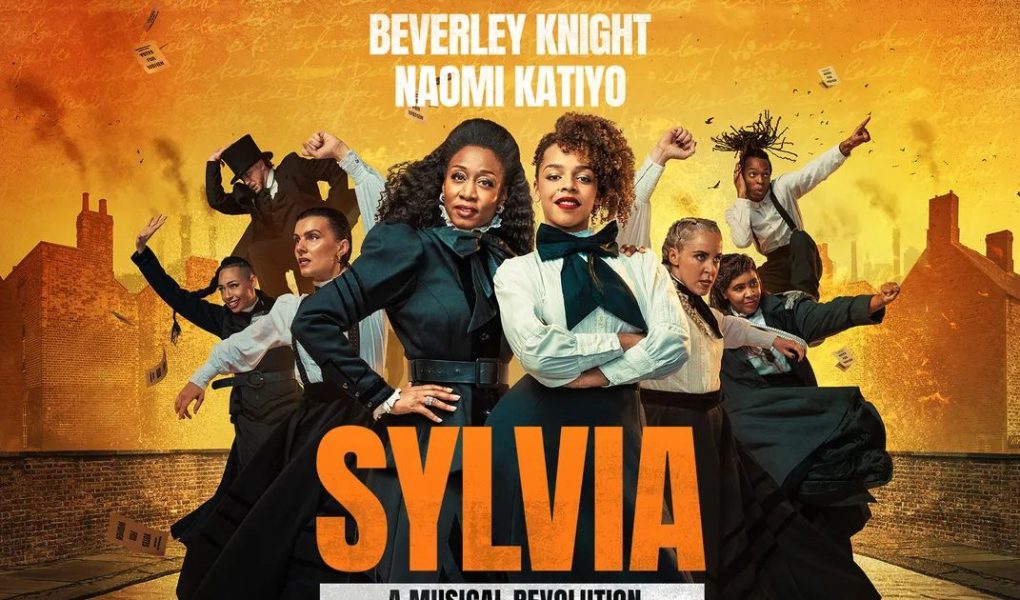
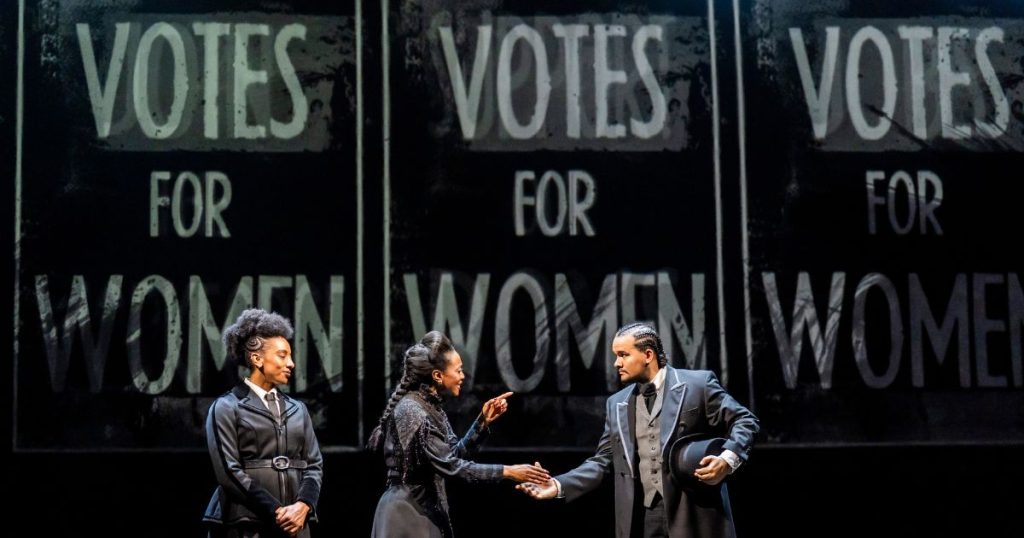
Sylvia Pankhurst is undoubtedly a woman deserving of her own musical. While her mother, Emmeline Pankhurst, remains one of the most recognisable figures of the suffragette movement, Sylvia’s own remarkable achievements are often less widely discussed.
Sylvia, playing at The Lowry in Salford, brings her story to the stage through a contemporary blend of R&B, soul, rap and musical theatre. Exploring her involvement in the suffragette movement, her complicated family relationships and her commitment to working-class communities, it’s a fascinating perspective on an important period of British history.
Contents
ToggleA different perspective on the Pankhurst family
One of Sylvia’s greatest strengths is the exploration of the Pankhurst family, particularly the ideological differences between Sylvia and her mother, Emmeline. While both women were fiercely committed to securing votes for women, their approaches were markedly different. Emmeline was prepared to do whatever it took to advance the movement, while Sylvia remained committed to fighting for working-class women and those whose voices were being overlooked.
It’s fascinating to see these familiar historical figures presented from a different perspective, particularly as the musical explores how their political convictions affected their family relationships. It’s also interesting to see Emmeline Pankhurst portrayed in a more critical light, as she’s often highly praised for the work she did for women.
There’s genuine emotional depth here, alongside an educational element that makes Sylvia’s lesser-known achievements accessible to audiences who may be unfamiliar with her story. It’s also a reminder that the suffragette movement was far from straightforward, with those fighting for the same cause often holding very different views about what equality should look like.
Exceptional performances from Naomi Katiyo and Beverley Knight
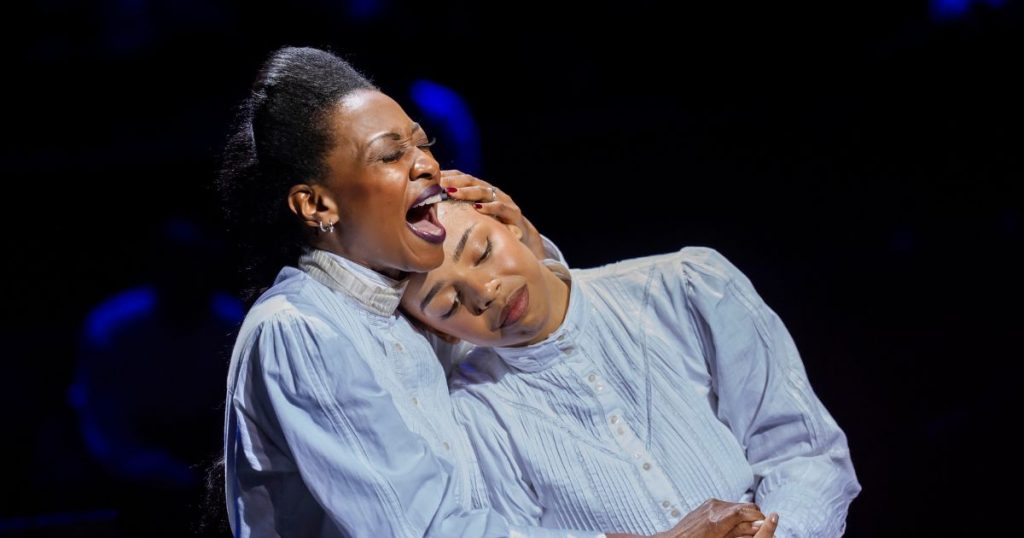
Naomi Katiyo delivers a beautiful performance as Sylvia Pankhurst, bringing a quiet strength and emotional sensitivity to the role. Her softer vocal delivery works particularly well against Beverley Knight MBE’s commanding portrayal of Emmeline Pankhurst. Knight is an absolute powerhouse, with a fierce wit and extraordinary voice that makes her presence felt whenever she takes to the stage.
Together, they create one of the production’s most compelling dynamics.
Knight’s Emmeline can appear cold and uncompromising, particularly in her treatment of Sylvia and her attitude towards the working classes. Katiyo, meanwhile, brings a greater sense of compassion to Sylvia, whose political convictions are deeply rooted in her concern for others.
Yet neither woman lacks determination. Their scenes together are among the strongest in the production, capturing the frustration and ideological conflict that define their relationship.
Another standout is Kenedy Small as Jennie Churchill, who is quite simply hilarious.
Reimagined with a Jamaican influences, Small’s Jennie is wonderfully sharp-tongued and quick-witted, frequently slipping into reggae lyrics during her increasingly outrageous remarks. It’s an inspired creative decision, and Small steals every scene she’s in.
A score of remarkable highs and disappointing lows
It’s difficult to discuss Sylvia without drawing comparisons to Lin-Manuel Miranda’s Hamilton.
Both productions take significant historical figures and reimagine their stories through contemporary musical styles, particularly hip-hop, rap and R&B. Whether Hamilton directly influenced Sylvia’s creators is another matter, but the similarities are difficult to ignore. Unfortunately, those comparisons also make the weaknesses in Sylvia’s musical writing more apparent.
At its best, the score is genuinely extraordinary. Be the Change is one of the most beautiful musical numbers I’ve seen on stage in some time. It’s emotive, wonderfully performed and genuinely moving, demonstrating just how effective the production can be when its music and storytelling come together.
Similarly, You’ve Changed, an argument between Sylvia and Emmeline, is another standout. Combining powerful soul vocals with rap, the number captures the tension between the two women brilliantly. The contrasting musical styles complement one another rather than compete, creating a particularly effective dramatic exchange.
But these moments make the inconsistencies elsewhere all the more frustrating. There are songs where the lyrics don’t seem to sit naturally within the rhythm or musical style, making certain passages feel forced rather than fluid. Others simply lack the impact needed to make them memorable, with some numbers feeling more like filler than meaningful additions to the story.
What’s particularly disappointing is how flawlessly the production handles its most emotional moments. There’s clearly the talent and creative potential to deliver something exceptional, yet much of the remaining score struggles to achieve the same standard.
With stronger musical writing, Sylvia could easily have been a five-star production.
An ambitious story that loses momentum
The first act is largely engaging, establishing the characters and their political motivations while allowing the relationships to develop. The second act also begins incredibly strongly, but gradually loses momentum as the story becomes increasingly drawn out.
Certain elements, particularly Sylvia’s relationship with Silvio and her work in East London, feel more extensively explained than necessary. These are important parts of her life, but there are moments when the production spends so long reinforcing their significance that the story begins to lose its direction.
Strangely, the opposite happens towards the end. As the musical moves through the First World War and the years surrounding women’s suffrage legislation, significant historical developments pass relatively quickly. After spending considerable time exploring earlier events, the final stages feel somewhat rushed.
Of course, condensing such an extraordinary life into a single production is no easy task, and there’s an understandable desire to give Sylvia’s achievements the attention they deserve. But the weaker musical numbers only make these slower passages more noticeable.
While I remained invested in Sylvia’s story, there were times when the production struggled to hold my attention. By the end, despite feeling moved by what I’d witnessed, I was also relieved that the musical had finally reached its conclusion.
Powerful performances and purposeful simplicity
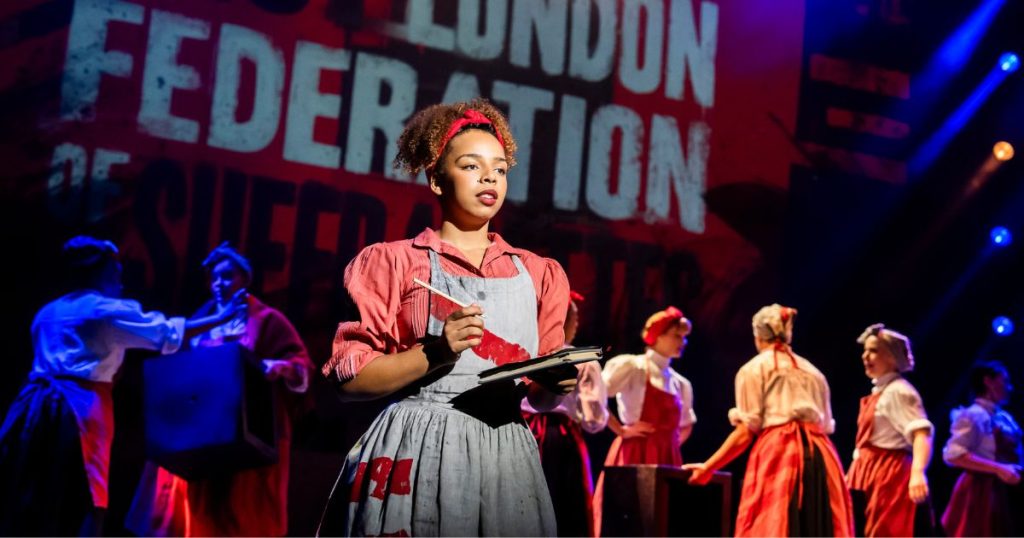
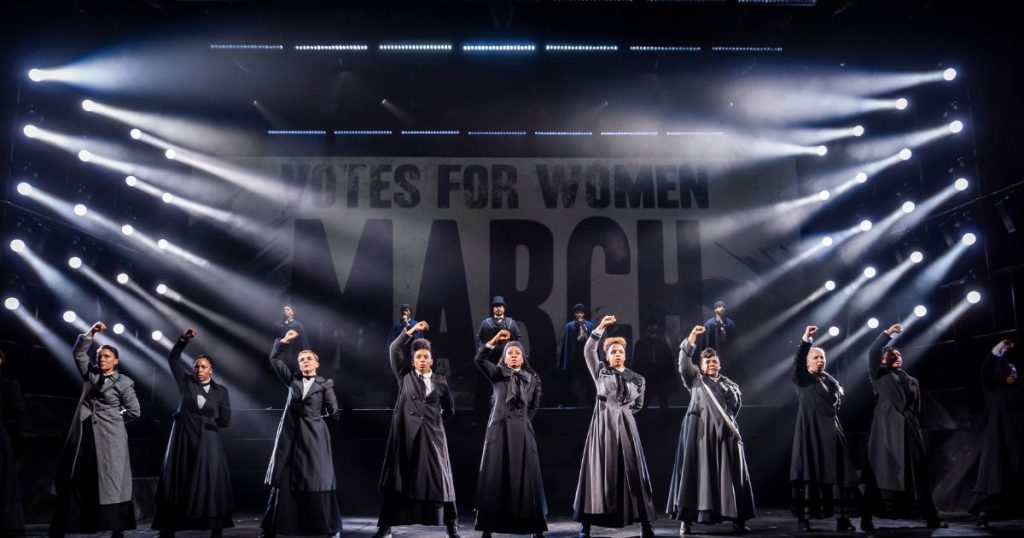
Visually, Sylvia doesn’t rely on elaborate or particularly colourful staging, and that’s largely to its advantage. The relatively simple set allows the focus to remain on the performers and the historical events unfolding around them, without unnecessary distractions from the production’s central message.
The choreography is impressive, bringing high energy and movement to the stage while complementing the contemporary musical styles.
It also feels exceptionally meaningful watching this story unfold at The Lowry, so close to Manchester, where the Pankhurst family’s history remains such an important part of the city’s identity.
Learning more about the dynamics within the family, and seeing these familiar historical events from a different perspective, is genuinely fascinating. The conversations surrounding equality, political compromise and whose voices deserve to be heard remain just as poignant today.
Final thoughts
While Sylvia is a production I wanted to love more than I did, its strongest moments are exceptional, and there’s no questioning the importance of the story being told.
Despite its shortcomings, this is a moving and worthwhile production that shines through its extraordinary performances and its fascinating portrayal of Sylvia Pankhurst’s life. It offers a fresh perspective on a significant chapter of British history and, perhaps most importantly, ensures Sylvia’s achievements receive the recognition they deserve.
Sylvia is running at the Lowry Theatre until 24 October. Book your tickets now.
**Tickets gifted in exchange for an honest review
Kelsey Haslam is the founding editor of Magenta Adventures Travel Publication and a freelance travel writer with a focus on community-based travel, culture-led experiences, and theatre tourism. She is passionate about spotlighting lesser-known destinations and connecting travellers with meaningful, human-centred stories.
Her published work includes destination features and luxury hotel reviews for leading travel outlets such as A Luxury Travel Blog, Beau Monde Traveler, and Luxury Lifestyle Magazine.
Explore more about Kelsey’s background on the About Page.


