
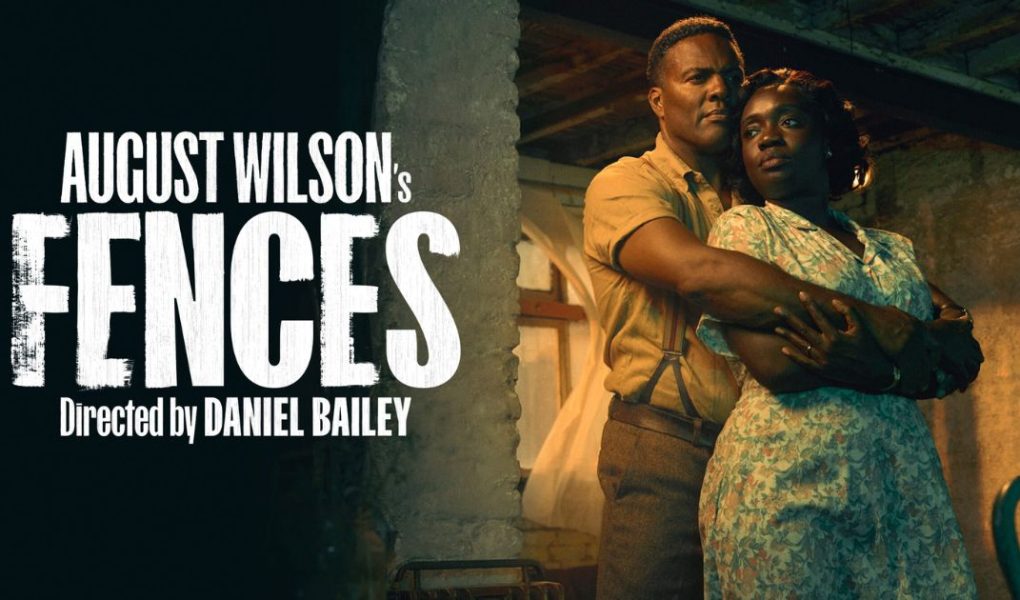
I’ve said it before, HOME Manchester knows what they’re doing when it comes to thought-provoking plays. August Wilson’s Fences is no different.
Set in 1950s Pittsburgh, this Pulitzer Prize-winning play follows Troy Maxson (Ray Fearon), a former baseball player whose dreams of sporting success were overshadowed by the racial inequalities of the time. Now raising a family in an America beginning to experience significant social change, Troy struggles to accept that the opportunities available to his children might be different from those he experienced.
But Fences is about so much more than one man’s disappointment. It’s a heartfelt, thought-provoking exploration of family, generational differences, masculinity and the lasting consequences of racial oppression. With exceptional performances, beautifully considered staging and storytelling that moves effortlessly between humour and heartbreak, this is theatre at its absolute finest.
August Wilson’s Fences is, quite simply, a theatrical masterpiece.
Contents
ToggleThe American Dream across generations
One of the most interesting aspects of Fences is how differently each generation views the American Dream.
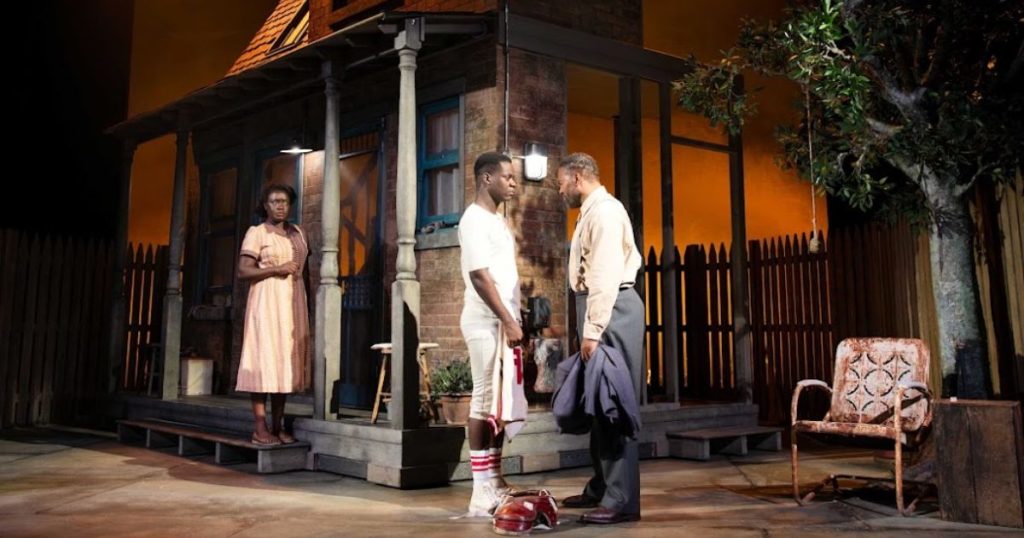
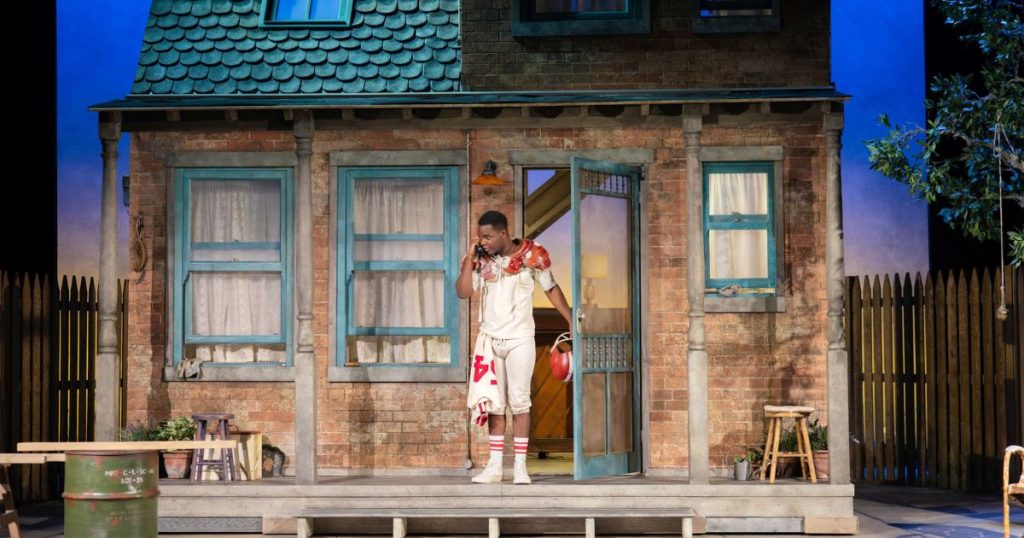
Troy’s experiences have left him understandably pessimistic, particularly when his youngest son, Cory (Josh Tedeku), begins attracting attention for his football abilities. His wife Rose (Madeline Appiah), however, is far more encouraging, recognising that opportunities for Black Americans are beginning to change.
Set against the backdrop of the growing Civil Rights Movement, these contrasting perspectives are particularly interesting. While Troy has spent much of his life facing racial discrimination, his sons Cory and Lyons (Michael Ahomka-Lindsay) are beginning to experience a society where greater opportunities are emerging. But what makes Fences so impactful is that it doesn’t simply suggest things are getting better. Despite the optimism surrounding social progress, oppression remains deeply rooted in society, and its consequences continue to affect the next generation.
There are also interesting questions surrounding masculinity and what it means to be a man. Troy is very much a traditional ‘man’s man’, believing that providing for his family is his greatest responsibility. Yet, his expectations and attitudes often create tension with those closest to him.
It’s these complicated relationships, shaped by both personal experiences and wider social inequalities, that make the story so compelling.
Exceptional performances
Ray Fearon is outstanding as Troy Maxson, perfectly capturing the many sides of this complicated character. Troy is funny, charismatic and warm when he wants to be. He’s also fiercely proud of everything he’s worked for, and as we learn more about his past, it’s difficult not to sympathise with him.
But that doesn’t mean you won’t find yourself frustrated with him. He’s stubborn, selfish, and makes some genuinely questionable decisions, particularly when it comes to his family. There are moments when you understand exactly where he’s coming from, only for him to do something that makes you question that sympathy entirely.
Fearon handles these contradictions brilliantly. Troy never feels like a straightforward hero or villain, but rather a deeply flawed individual shaped by his experiences.
Equally breathtaking is Madeline Appiah as Rose. Appiah brings such warmth and sincerity to the character, making her emotional journey all the more heartbreaking. Her ability to move between maternal affection, quiet frustration, and moments of overwhelming pain is extraordinary. Appiah brings such a beautifully convincing performance, and one that really stays with you.
Simon-Anthony Rhoden is another standout as Gabriel, Troy’s brother, who lives with the effects of a traumatic brain injury sustained during the Second World War. Gabriel’s circumstances offer another perspective on the inequalities explored throughout the play. Having served his country, he’s now living with the consequences of an injury that has changed his life entirely. His situation also leaves you questioning what’s genuinely best for him, particularly as Troy and Rose have differing views. It’s difficult not to feel torn between their perspectives.
Rhoden’s portrayal is incredibly believable, bringing a vulnerability and sincerity to Gabriel that makes you genuinely care about him. His mannerisms, expressions, and intense eye contact with the audience make the character feel completely authentic.
And without giving too much away, the closing scene involving Gabriel’s attempt to call upon St Peter to open the gates of heaven is exceptional theatre. It’s deeply emotional, gripping, and easily one of the most memorable moments of the entire production.
Beautifully considered staging and music
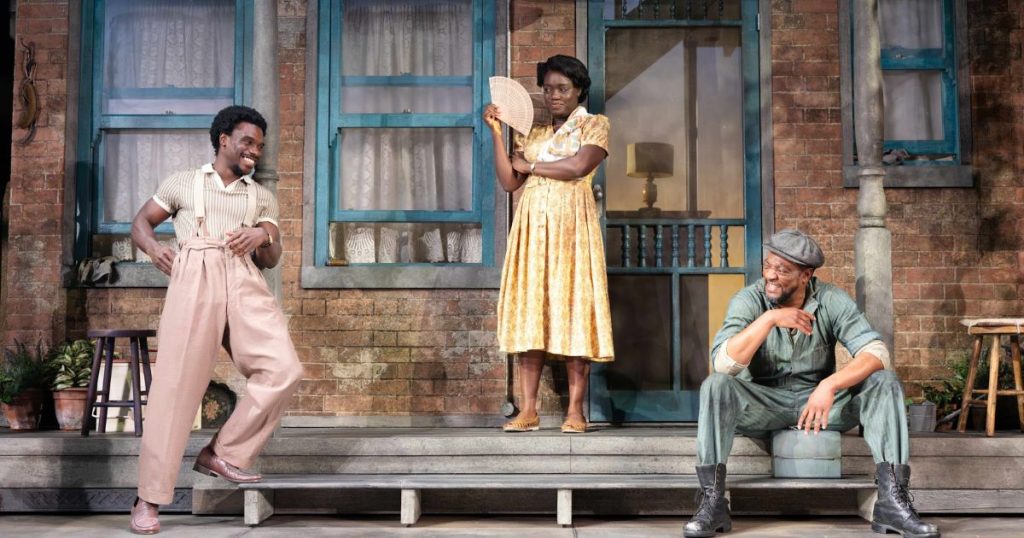
The attention to detail throughout Fences is remarkable. Most of the action unfolds outside the Maxson family home, with the house and garden brought to life through a wonderfully realistic set. From the everyday surroundings to the fence being built throughout the play, there’s a real sense of authenticity that makes the setting feel lived in.
Despite this attention to detail, the staging itself remains relatively simple. The rotating stage is particularly effective, allowing the production to move seamlessly between scenes and emotional shifts without interrupting the storytelling.
Music is another beautifully considered element, with jazz and blues woven throughout the production. Both genres have deep roots in Black American culture, and their inclusion feels entirely appropriate for the period. Rather than simply providing background music, they complement the atmosphere and wider themes of the play.
Overall, I was deeply impressed with how naturally everything came together. The production moves between humour, sadness, affection and anger, sometimes within the same scene. One moment you’re laughing at Troy’s storytelling and his feel-good relationship with his best friend Jim Bono (Everal A Walsh), and the next you’re watching an incredibly painful family confrontation.
These emotional shifts feel completely believable, largely because the characters and their relationships are so convincing.
August Wilson’s writing deserves particular recognition here, too. Every line feels purposeful, whether it’s revealing something about a character or helping us understand the wider issues affecting their lives. And although Fences is a relatively lengthy production, it never feels drawn out. The pacing is excellent, and I found myself completely absorbed in the story.
Final thoughts
What I particularly loved about Fences was how it challenged me to understand characters whose decisions I didn’t always agree with. There’s so much complexity within these relationships, and the production never makes it easy to decide who’s right or wrong.
I genuinely cannot praise this production enough. It’s the kind of theatre that leaves you completely absorbed in the story, emotionally invested in its characters and still thinking about what you’ve witnessed long after the curtain falls.
August Wilson’s Fences at HOME Manchester is, quite simply, a theatrical masterpiece. A phenomenal five-star production that deserves every bit of praise it receives.
August Wilson’s Fences is running at the Home Manchester until 07 November. Book your tickets now.Â
**Tickets gifted in exchange for an honest review
Kelsey Haslam is the founding editor of Magenta Adventures Travel Publication and a freelance travel writer with a focus on community-based travel, culture-led experiences, and theatre tourism. She is passionate about spotlighting lesser-known destinations and connecting travellers with meaningful, human-centred stories.
Her published work includes destination features and luxury hotel reviews for leading travel outlets such as A Luxury Travel Blog, Beau Monde Traveler, and Luxury Lifestyle Magazine.
Explore more about Kelsey’s background on the About Page.